-
Humanoid robot Qestr quits Antarctic Ice Ultra after about 3 km, Reuters reports
Qestr, the first humanoid in the Antarctic Ice Ultra, quit after about 3 km. Autonomy, builder and cause of exit remain unconfirmed.
-
Nvidia says GR00T 2 learns from human video, but gives no release date
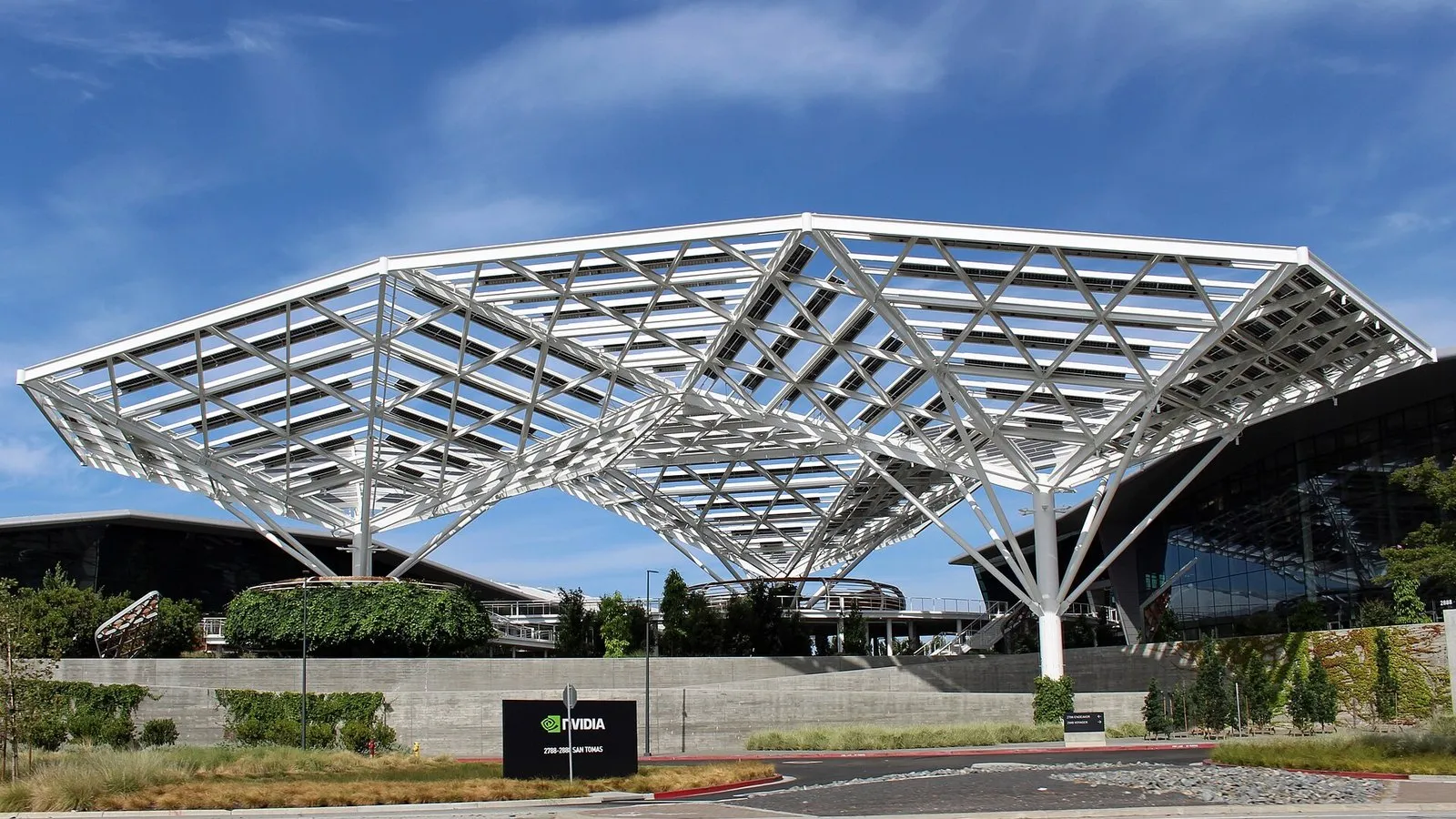
Nvidia says GR00T 2 hits 71% on one demo per task. The figures are company claims, and no release date or developer access was given.
-
Boston Dynamics puts wheels on Atlas to test whole-body reinforcement learning
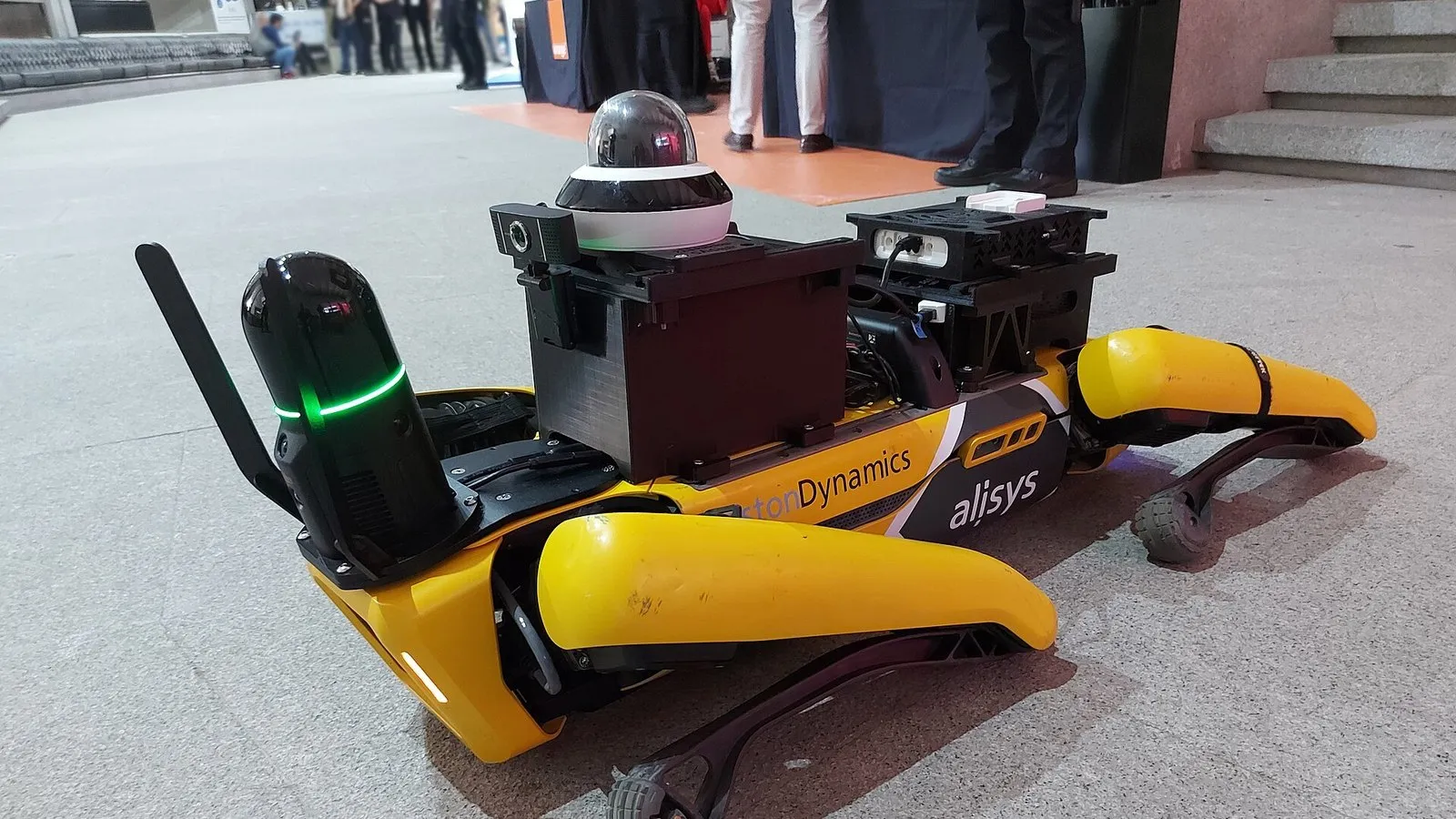
Boston Dynamics’ ‘Atlas On a Roll’ post shows wheeled Atlas as a whole-body RL experiment. It is research, not a product, and key demo details are unstated.
-
Nvidia expands Korea physical AI work with Samsung, Hyundai, Doosan and SK hynix
Nvidia named Samsung, Hyundai, Doosan and SK hynix in its Korea physical AI update. Stakes in four startups, including RLWRLD, are reported but unconfirmed.
-
Machenta’s $40M seed is confirmed, but one-demo robot learning is unproven outside the lab
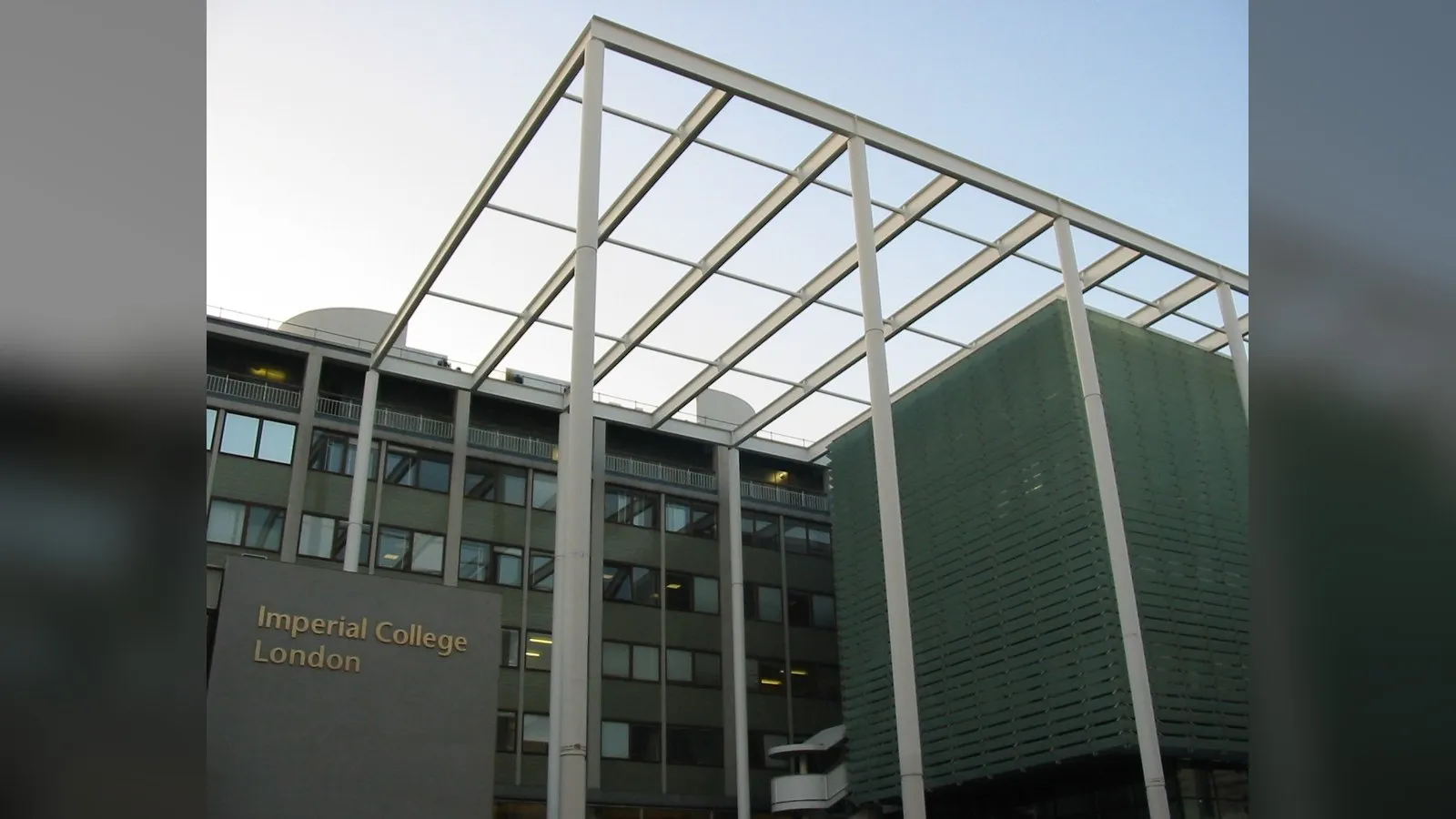
Imperial says Machenta raised a $40M seed led by Creandum and USV. One-demo learning from simulation is the claim; real-world results remain unverified.
-
Microduck somersault was a GTC Berlin demo; 20,000 preorder figure is self-reported
The Microduck somersault was a GTC Berlin demo. The 20,000 preorder figure is self-reported, and the robot is made by Pollen Robotics, not Nvidia.
-
Unitree prospectus: tour-guide use drove 50-70% of humanoid industry revenue
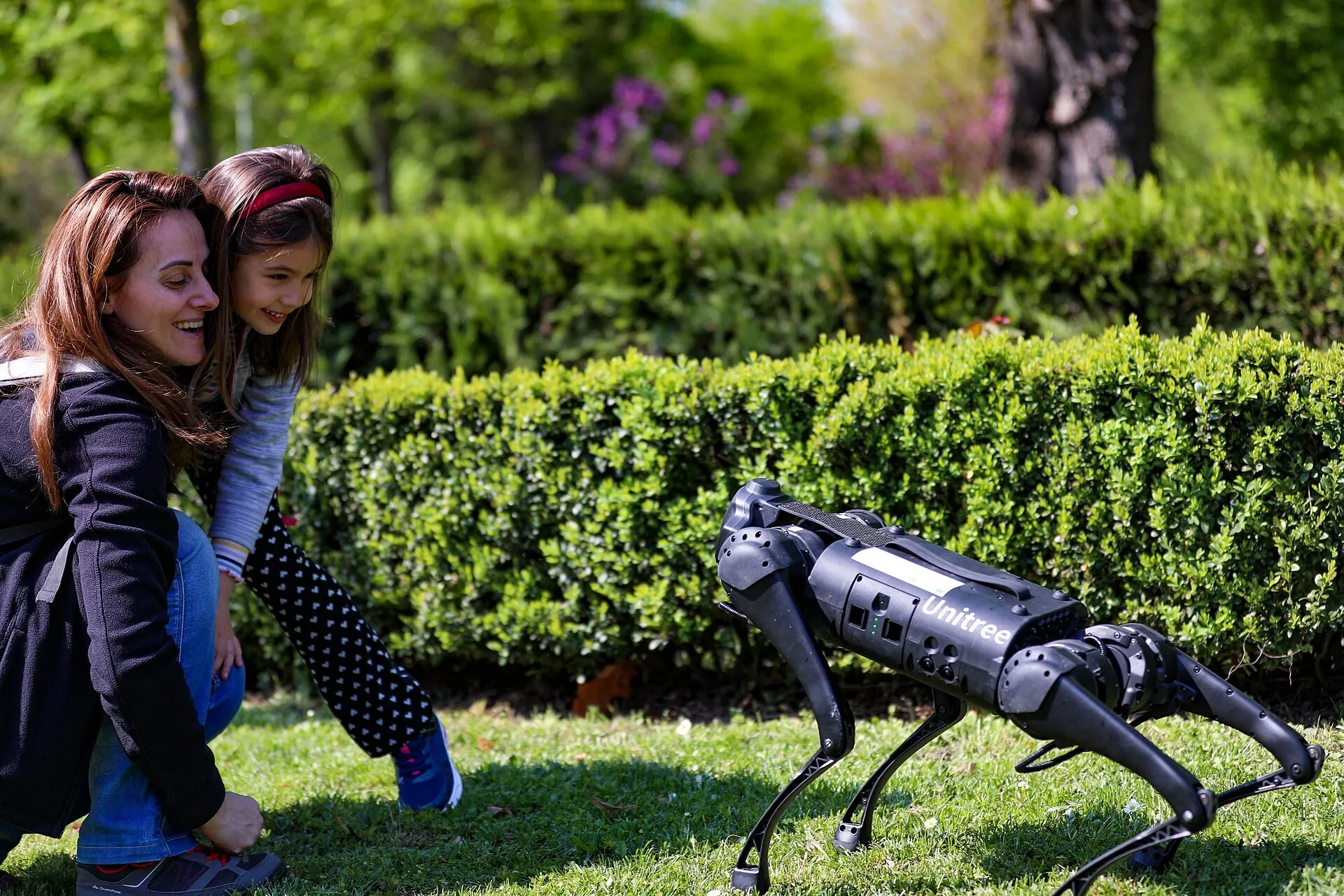
Unitree’s prospectus puts tour-guide use at 50-70% of humanoid industry revenue, and CNBC says real factory deployment remains limited.
-
Huang pitches Kazakhstan as a physical AI hub, with no hub program announced
Jensen Huang pitched Kazakhstan as a physical AI hub in Astana. The firm items are Firebird’s 45,000-GPU license and Kazakhtelecom’s 880 GPUs.
-
Nvidia expands Isaac with reference humanoid and runtime; nine partners named
Nvidia added a reference humanoid and runtime to Isaac. Nine partners back the workflows, but the obstacle-course demo is simulation only.
-
Optimus Academy needs 10,000 to 20,000 robots, Musk says, but self-play is unproven
Musk says Tesla may need 10,000 to 20,000 Optimus robots to practice tasks. It is a plan, not a demo, and self-play on physical robots is unproven.
Confirmed Deployments and Releases
Stories marked CONFIRMED rest on verifiable evidence such as official announcements, signed customer contracts, regulatory filings or independent hands-on reporting.
Demo Only Showcases
DEMO ONLY flags controlled presentations, edited videos and trade show routines that prove a robot can do something once in a prepared setting, not that it works reliably in the field.
Teleoperated Robot Footage
TELEOPERATED marks clips where a human operator is steering the robot remotely, a detail companies often bury in fine print or leave out entirely.
Rumors Graded by Source
RUMOR covers unannounced products, funding chatter and leaks, with each claim weighed against the track record of whoever is making it.